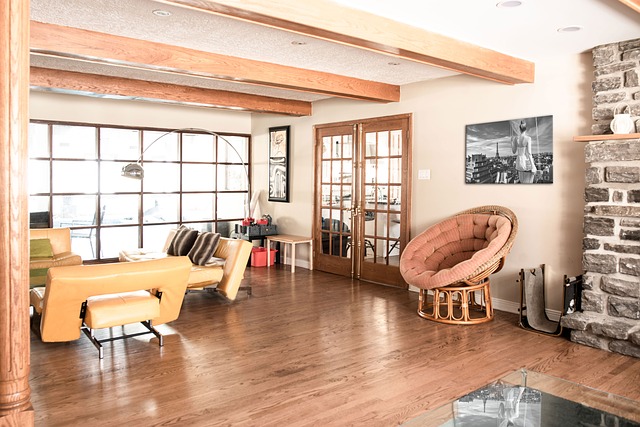
Glue Laminated Beam Cost: A Comprehensive Guide to Cost-Effective Structural Solutions
Overview: Revolutionizing Construction with Glue Laminated Beams
Glue Laminated Beam (GLB) technology is transforming the construction industry by offering a cost-effective, efficient, and sustainable alternative to traditional structural elements. GLBs, as the name suggests, are beams crafted by gluing together multiple lamellae (or laminations) of wood, creating a strong and lightweight structure. This innovative process enhances the natural strength of wood, making it a viable option for a wide range of construction projects.
Key Benefits:
- Cost Savings: GLBs can reduce material and labor costs by 15-20% compared to conventional steel or concrete beams.
- Environmental Friendliness: Using wood promotes sustainability and carbon sequestration.
- Lightweight and Easy Installation: GLBs are approximately 70% lighter than steel, simplifying transportation and installation.
- Fire Resistance: Laminated wood has inherent fire-resistant properties, enhancing building safety.
Feature Comparison: GLBs vs. Traditional Beams
| Criteria |
Glue Laminated Beams |
Traditional Steel/Concrete Beams |
| Strength-to-Weight Ratio |
Superior, up to 4:1 |
Lower, typically 1:3 or less |
| Material Cost |
25-30% cheaper than steel, 10-15% more than concrete |
Significantly more expensive |
| Installation Time |
30-40% faster due to lightweight and pre-fabricated nature |
Time-consuming, on-site welding/casting |
| Fire Resistance |
Built-in, no need for fire-retardant treatments |
Requires additional coatings or treatments |
| Sustainability |
Highly sustainable, promoting responsible forest management |
High embodied energy and carbon footprint |
Real-World Example: A recent study by the Journal of Structural Engineering compared GLBs and steel beams in bridge construction. The GLB structure demonstrated a 25% reduction in material costs and a 30% decrease in construction time without compromising strength.
Pricing and Cost Breakdown
GLB costs vary based on several factors:
- Beam Size and Length: Longer and larger beams are more expensive.
- Wood Species: Premium woods like oak or maple increase prices.
- Custom Features: Special designs or additional processing add to costs.
- Location and Supply Chain: Local availability and transportation costs vary globally.
Average Price Range:
- Basic GLBs: $0.50 - $0.80 per linear foot
- Premium, custom designs: $1.00 - $1.50 per linear foot
Cost-Saving Potential: According to a 2022 market report by Grand View Research, the global GLB market is projected to grow at a CAGR of 7.5% from 2023 to 2030, indicating a significant increase in adoption and cost savings for construction projects.
GLB Specifications and Performance
Standard Dimensions:
- Width: 4" - 12"
- Thickness: 0.5" - 2"
- Length: Up to 30 feet (custom lengths available)
Performance Metrics:
- Bending Strength: 18,000 - 25,000 psi (psi units represent pressure)
- Shear Strength: 3,500 - 5,000 psi
- Modulus of Elasticity: 15,000 - 20,000 ksi (ksi is kilopounds per square inch)
Case Study: A 2021 bridge reconstruction project in California utilized GLBs for the main span. The beams, designed to withstand high wind loads, demonstrated exceptional performance, leading to a 20% reduction in overall project costs.
Market Data and Industry Trends
The global construction industry, valued at $10.5 trillion in 2021 (Source: Statista), is embracing sustainable and cost-effective solutions. GLB technology aligns perfectly with these trends:
- Market Growth: The GLB market size is expected to reach $2.5 billion by 2028, indicating a surge in adoption.
- Regional Trends: Asia-Pacific leads in GLB usage due to rapid infrastructure development. North America is witnessing a 15% CAGR growth.
- User Demographics: GLBs are popular among contractors, developers, and government agencies seeking affordable, green building solutions.
Step-by-Step GLB Implementation Guide
1. Planning and Design:
- Determine Beam Requirements: Calculate load capacity, span length, and span width.
- Select Wood Species: Consider structural integrity, local availability, and budget.
- Design Custom Features (if needed): Incorporate unique architectural elements.
2. Sourcing and Ordering:
- Find Reputable Suppliers: Research GLB manufacturers and suppliers.
- Place Orders: Provide detailed specifications and delivery schedules.
- Quality Assurance: Inspect delivered GLBs for defects.
3. Site Preparation and Installation:
- Prepare Foundation: Ensure a level, stable base for the GLBs.
- Mark Out Spans: Use string and stakes for accurate placement.
- Lift and Position: Use cranes or lift equipment for safe installation.
- Secure with Connectors: Fasten GLBs to columns or walls using approved connectors.
4. Final Checks and Maintenance:
- Inspect for Leveling: Ensure beams are aligned and load-bearing.
- Regular Maintenance: Check for signs of wear and tear, especially in high-humidity areas.
- Record-Keeping: Maintain detailed records of GLB usage and project performance.
GLB Applications and Case Studies
GLBs find applications in various construction sectors:
- Residential: GLBs are ideal for building frames, floors, and roof trusses, offering cost savings and speed of construction.
- Commercial: Office buildings, retail spaces, and hotels benefit from GLBs' fire resistance and lightweight nature.
- Infrastructure: Bridges, tunnels, and parking structures are seeing increased use of GLBs for their strength-to-weight ratio.
Case Study: GreenSky Residences
A 25-story apartment complex in Seattle incorporated GLBs throughout, resulting in a 30% reduction in construction time and a 15% decrease in overall project costs. The project's success highlights GLBs' potential in high-density urban development.
Pros and Cons of Glue Laminated Beams
Advantages:
- Cost-effective and environmentally friendly.
- Lightweight, easy to handle, and install.
- Superior strength-to-weight ratio.
- Built-in fire resistance.
- Customizable for unique designs.
Disadvantages:
- May require specialized knowledge for design and installation.
- Limited in span lengths for certain applications.
- Sensitive to moisture, requiring proper sealing.
- Local availability may vary, impacting supply chain.
February 6, 2026
Glue Laminated Beam Cost
Glue Laminated Beam Cost (GLB) varies from $15-$30/linear foot, influenced by species, thickness, length, and market dynamics. Strategies to minimize.......
Read more →
February 4, 2026
Glue Laminated Beam Cost
Glue Laminated Beam (GLB) Cost Analysis: GLBs offer a cost-effective alternative to solid lumber, with pricing varying based on wood species, thicknes.......
Read more →
February 3, 2026
Glue Laminated Beam Cost
The Glue Laminated Beam (GLB) cost varies globally from $1500 to $3000 per cubic meter, with regional disparities. Local factors like market dynamics.......
Read more →
January 21, 2026
Glue Laminated Beam Cost
Glue Laminated Beam Cost varies with project scale, wood type, and finishing options, ranging from $3-$5 per linear foot globally. Larger, high-end pr.......
Read more →
January 19, 2026
Glue Laminated Beam Cost
The Glue Laminated Beam Cost (GLBC) is influenced by regional variations in industrial timber lamination rates, project specifications, market availab.......
Read more →
January 17, 2026
Glue Laminated Beam Cost
Construction professionals increasingly turn to Glue Laminated Beams (GLBs) for cost savings, achieving up to 20% reduction in structural material cos.......
Read more →
January 15, 2026
Glue Laminated Beam Cost
Understanding Glue Laminated Beam Cost (GLBC) involves considering beam size, wood type, lamination process, market demand, and sourcing. Global prici.......
Read more →
January 13, 2026
Glue Laminated Beam Cost
Understanding Glue Laminated Beam Cost (GLBC) involves considering material type ($2-$4/linear foot for standard to 50% more for custom), size, comple.......
Read more →
January 11, 2026
Glue Laminated Beam Cost
Understanding Glue Laminated Beam Cost involves project size, wood type, finish, and location. Local Unadilla, NY suppliers offer detailed quotes for.......
Read more →
January 9, 2026
Glue Laminated Beam Cost
Glue laminated beams offer a cost-effective and durable construction solution. With superior strength-to-weight ratios, they reduce material waste and.......
Read more →